
Ultra-High-Pressure Hot Isostatic Presses Furnace Press HIP
Introduction
The hot isostatic press (HIP) is an ultra-high-pressure, high-temperature powder forming equipment. Hot isostatic pressing technology is generally used when materials cannot be compacted under normal temperature conditions (i.e., when cold isostatic pressing is ineffective). The pressure of a hot isostatic press typically ranges from 30 to 200 MPa, with the working medium temperature generally between 80–120°C (and up to 300°C at maximum). The hot isostatic press uniformly transfers temperature and pressure to the components being processed inside the cylinder, resulting in high density and uniform structure of the components. It is widely used for processing high-precision and advanced materials. Using hot isostatic pressing technology, products such as large-sized, complex-shaped blanks, and others with strict performance requirements that cannot be achieved by conventional forming processes can be produced. With technological advancements and increasing demands for new materials, it is now extensively applied in powder metallurgy industries, including ceramics, graphite, hard alloys, plastics and polyurethane, and electrical insulating ceramics.
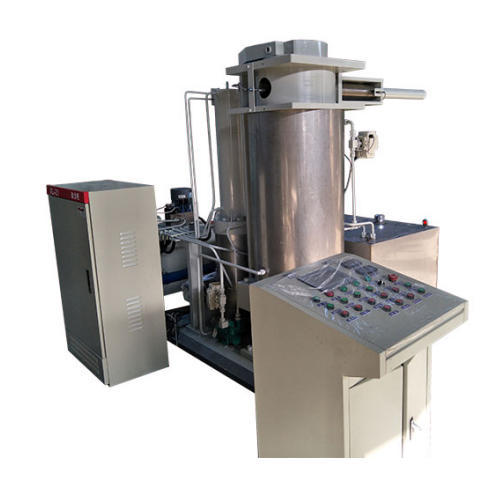
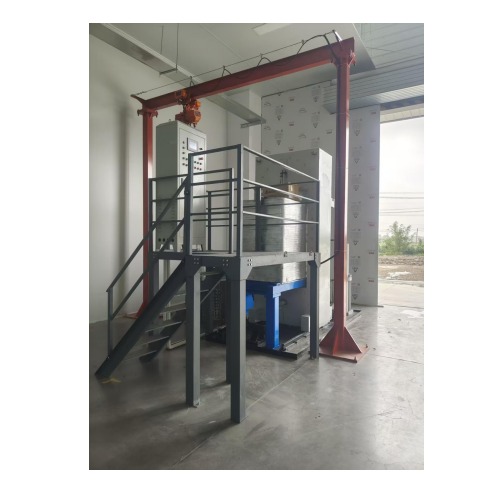
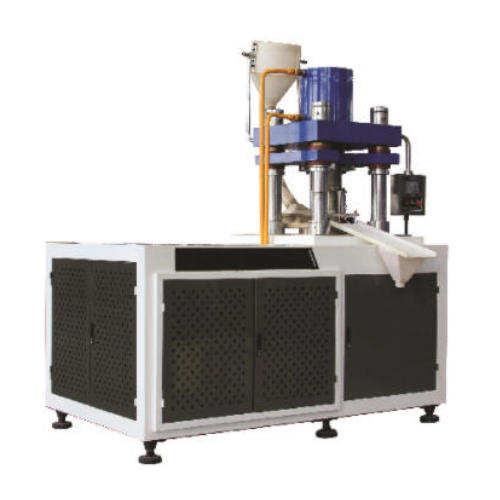
The hot isostatic press consists of three main components: the main unit (including an electric heating water tank and thermal circulation system), the hydraulic station, and the electrical control cabinet.
1. Key ultra-high-pressure load-bearing components of the machine, such as the frame, working chamber, and intensifier, are entirely wound with pre-strained steel straps that have undergone rigorous calculations. This ensures lightweight construction, safety, reliability, and long service life.
2. The pressurization method involves generating ultra-high pressure from medium- to low-pressure hydraulic sources. This process is achieved through an intensifier, ensuring relatively continuous ultra-high-pressure buildup.
3. An exhaust valve is installed in the press cover to promptly discharge excess gas when the cover is lowered into the working chamber. This prevents difficulties in opening and closing the cover and avoids splashing of the working fluid, maintaining a clean working environment and enhancing operational stability and reliability.
4. The hot water working medium is supplied by an external heating and insulation tank. The working cylinder is circumferentially wrapped with heating and insulation belts, and electric heating plates are configured at the cylinder bottom. The tank is equipped with a circulation and filtration device, and a large circulation system is installed between the heating tank and the working cylinder to ensure a constant temperature inside the working cylinder. Combined with temperature control system regulation, this provides an ideal and stable working temperature (≤ ±3°C).
5. The machine can be configured for step-by-step pressure increase and decompression according to the process requirements of the workpiece, with adjustable speeds and settable pressure holding times.
6. The machine features a dual-fluid working system, isolating the working medium from the hydraulic system fluid to prevent contamination, reduce usage costs, and minimize environmental pollution.
7. The working medium can be water mixed with emulsion or water with rust inhibitors (to prevent component corrosion), or oil. This not only reduces usage costs but also minimizes pollution in the working environment.
8. Parameters such as working pressure, hydraulic system pressure, hydraulic station oil tank temperature (cooling towers or cooling pools must be provided by the user), working medium temperature, and pressure holding time can be set within allowable ranges.
9. The hydraulic station uses hydraulic valves and pumps from renowned manufacturers, with additional filtration devices for inlet and outlet oil. The electrical control system allows manual or automatic activation of the oil temperature cooling system, ensuring continuous and reliable operation of the hydraulic system under optimal conditions.
10. The machine features a high level of automation, with a PLC and touchscreen display, enabling an automatic work cycle (excluding loading and unloading of materials). The program design seamlessly aligns with the equipment's working process. Functions include pressure trend display, fault alarm display and recording, real-time display of pressing process parameters, setting and storage of pressing process parameters, and options for automatic or manual operation. It accurately reflects the actual temperature and pressure in the working cylinder, ensuring simple operation and easy maintenance.
Working Cylinder Specifications
Parameter | Value Range |
Effective Inner Diameter | 100 ~ 500 mm |
Effective Internal Depth | 200 ~ 1500 mm |
Maximum Working Pressure | 30 ~ 200 MPa |
Maximum Working Temperature | 80 ~ 120 °C |
Working Medium | Water + Rust Inhibitor or Oil |
Note: When using pure water as the medium, stainless steel can be optionally selected for components in contact with it to prevent corrosion.